Preparing for Emergencies in Your Theater: Lessons from the Storm
Preparing for Emergencies in Your Theater: Lessons from the Storm
By Jodi Williams
The Reality of Weather and Theater
We’ve had some really wild weather in Wisconsin over the past six months. Everything from snowstorms, tornadoes, and flooding. It's been wild. And through it all, we’ve had rehearsals happening. We’ve had performances happening. And we’ve had some emergencies that we’ve had to deal with.
So I wanted to talk about preparing for emergencies in your theater. We all have to do it.
The Problem: Drills Don’t Reflect Reality
As teachers and students, we are all used to fire drills. That was the one thing that was drummed into our heads repeatedly every month for 12 years of school. If you went to school in the South or in the Midwest, you also had tornado drills. I know other states have emergency drills related to the weather particular to their area.
What we did not do, and have not done since I started teaching, is practice those life-saving drills during inconvenient times. Our school never has drills during lunches, even though emergencies do not wait until everybody’s done eating. We didn’t talk about drills for when we have performances. We didn’t talk about drills for when our athletics teams are in full play. We’ve never had those conversations as a school. And to my knowledge, there is no emergency plan for those contingencies.
A Wake-Up Call
Our department started having this conversation when we got back from a trip to a festival. To say we encountered inclement weather is an understatement. There were tornadoes that came through, thousands of kids on this campus in the middle of a performance, and the power went out. The power flashed, then the power went out, then the power came back, then the power went out again. There was no clear communication, before or during the event, on who was in charge. There was no path or person to look to. Everybody was kind of staring at each other for how to handle the issue, even as the electrically triggered fire curtain descended.
Now, it turns out their emergency procedures were literally hanging on the wall behind us, but we did not know they were there. The production company hired to manage the event did not know they were there. The venue staff did not know they were there. That was a major failing on all our parts.
When we got back, we started talking about, okay, what does this look like for us? How do we handle this in our theater? Now, we have not developed anything official through our school, even though we’ve talked to our admin about it. But we’ve come to develop our own plans based on the guidance laid out in our district’s paperwork. And we’ve had to put those into practice this past few months with all of the crazy weather.
Assumptions That Need Challenging
Let’s talk about some assumptions that were made that we came across while we were putting this together.
First, if you are doing something during the school day and you have an emergency that takes place, as the adults, you are parents in absentia for your students. You are the authority, and it is expected that you will take care of those kids. So during the school day, if a tornado happens, the tornado drill siren goes off, and everybody goes in the hallway or to your safe space, to your basement, wherever is designated. You are responsible for making sure those kids are safe. Those kids aren’t going anywhere.
If we are after school at a rehearsal, same thing. You are the de facto person in charge as a teacher. Those kids don’t walk out the door. They don’t go to their car and drive home. Everybody stays until it’s over.
Interestingly, and if you’ve come across this, you know, once you get the general public and parents in the room, the story changes completely. You cannot stop somebody from grabbing their kids and walking out the door. You can highly recommend that they not do it, but you cannot stop them. You cannot physically get in their way.
So when we had audience members in and we had a tornado siren go off, we definitely had parents come back, grab their kids, and leave.
Due to non-weather-related safety procedures, there is a checkout procedure for younger kids. Parents must go through that before they leave. We have a checkout procedure for our kids if they are driving themselves and they are leaving after or during an emergency. We must have verbal confirmation with an adult on file that a student can drive themselves away. If they are responsible for driving another student, we must have verbal confirmation from both sets of on-file adults. In those circumstances, when it is our students and our event, we as the people in charge can still say, “No, you’re staying here till this passes.” And we have done that.
For outside events, it is important to discuss in the rental agreements or planning phases who is responsible for making and implementing those choices.
Flooding, Tornadoes, and Safe Routes
It is important to know what and where your procedures are. It is important to have them written down. It is important to have a clear chain of command. And it’s important to know who is communicating from a building standpoint.
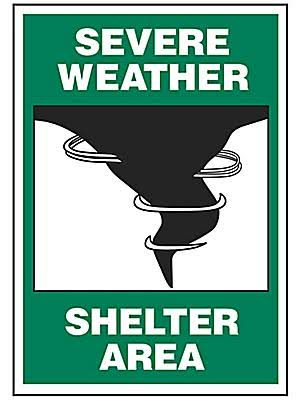
If you are renting the space, what are your expectations of the people coming in? What are their expectations of you? Does everybody know where your safe spots are, where your fire exits are? Fire exits are clearly marked in almost every modern facility. Tornado safe spaces, not so much. We have maps. They’re hanging in every room in our building. You can look at that. They are very clearly marked, but not everybody takes that into consideration.
We’ve also had issues of flooding in our area. Those conversations should be had. If you have, as we did this year, tornadoes that come in conjunction with flood warnings, let people know: “Hey, the best route out might not be the first exit out of the parking lot. You might want to drive further down. These streets are prone to flooding.”
Why This Matters
Understanding and knowing all of those things, and not leaving them to chance, makes you a better host. It makes your people safer. It makes you safer. And if all of that is laid out and people still decide to get in their cars and drive away, it protects you, which isn’t the first thing that we’re thinking about, but it is still true. The first thing we’re thinking about is protecting our patrons and participants. But if anything were to go south and come back on us, it’s important to know that you did everything that you could, both for your own sanity and for the security of your program, your space, and the people who run it.
What to Check and Do: The Practical Checklist
Emergency preparedness isn’t just about plans, it’s about having the right tools and systems in place when the unexpected happens. Here’s a list of things you might not think about off the top of your head:
Lighting and Power:
Keep flashlights (with extra batteries) and portable phone chargers in easily accessible locations. Power outages can happen suddenly, and you don’t want to be left in the dark, literally.Attendance and Headcounts:
Always have updated attendance lists for every rehearsal, performance, or event. In an emergency, you need to know who’s present and account for everyone quickly. Designate a person to do a headcount as soon as it’s safe to do so.Access to Safe Spaces:
If your usual safe spaces (like basements or interior rooms) are locked during off-hours, ensure emergency keys are accessible to authorized personnel. Test these locks and keys regularly to avoid last-minute surprises.Communication Tools:
Have a portable PA system or megaphone if your usual sound system fails. Walkie-talkies can also be invaluable for coordinating with staff or volunteers during an emergency.First Aid and Medical Needs:
Keep a well-stocked first aid kit in your theater space, and make sure someone on-site knows how to use it. If any students or participants have medical conditions or allergies, have that information on hand and easily accessible.Emergency Supplies:
Store a basic emergency kit with items like water, non-perishable snacks, blankets, and a whistle. If you’re in an area prone to severe weather, consider adding items like a weather radio or extra batteries.Clear Signage:
Ensure emergency exits, safe spaces, and evacuation routes are clearly marked and visible, even in low light. If your space is used by renters or outside groups, walk them through the emergency procedures before their event begins.Backup Plans for Tech:
If your theater relies on electrically triggered systems (like fire curtains or lighting), know how to manually override them if the power goes out. Have a plan for securing sets, props, or equipment that could become hazardous during an emergency.Parent and Participant Communication:
Have a pre-written emergency communication plan for notifying parents or guardians. Include alternate contact methods in case phone lines or cell service are down.Regular Reviews: Practice your plan, not just during drills, but in real-time scenarios. Review and update your procedures at least once a year, or whenever there’s a change in staff, space, or local risks.
Need More?
Here are some resources to help you with your emergency planning. Always start with your district’s plans and ask questions about how those plans apply to your space.
USITT (United States Institute for Theatre Technology) – Safety Guidelines
ETCP (Entertainment Technician Certification Program) – Safety Standards
Your Turn
When was the last time your team did a full review of safety measures? What is your plan, and how do you handle emergencies in your theater? Share your stories and tips, I’d love to learn from you! Share at Backstage AIC on Facebook