Theater Skills for Real Life: What I Took With Me After the Final Bow
When I was in high school I was in theater for all four years. It was pretty much expected by anyone who knew me since I did theater even before coming into ninth grade. Even before I was in middle school, I was attending rehearsals. My mother was the technical director . Through those experiences I learned quickly what was standard procedure for rehearsals, and I also had plenty of experience when I did step on stage.
When I graduated, I found theater had taught me skills that I found useful (not just in being an actor, but also working in tech for shows) that I use in my life every day.
Listening: The Skill You Don’t Know You’re Learning
Listening might be a strange thing to list as a skill initially, but it matters in all aspects of theater. Acting starts with listening. You need to be paying attention; to the other actors, to any notes a director gives you, or any tasks your technical director gives you.
Learning to take notes on how to present yourself as a character can help you understand the story and how to present the intent. These may sound silly, like basic logic, but sometimes it can be easy to forget. Listening means you can learn how to take criticism, which is especially vital for learning any skill.
In terms of tech, listening is vital because you are working with equipment that could kill or injure someone. Learning how to listen means you know how to take orders and especially how to tell if something is about to go wrong. Knowing how to take commands means you can perform tasks with proficiency and efficiency.
Social Skills: Behind-the-Scenes Bonds
Social ability is also something I learned when doing theater. Connecting with other actors on stage behind the scenes is important for a sense of community and cohesion. Knowing that you’re on the same page as the other people performing goes a long way for building any kind of relationship, in theater, on the job, or in life. If you’re on the level with what other actors are going to be doing in a particular scene (or in life), it flows. You can plan ahead for anything that’s going to happen with that person; to improve or otherwise make the scene (or your life) more impactful.
Tech Theater: The Practical Toolbox
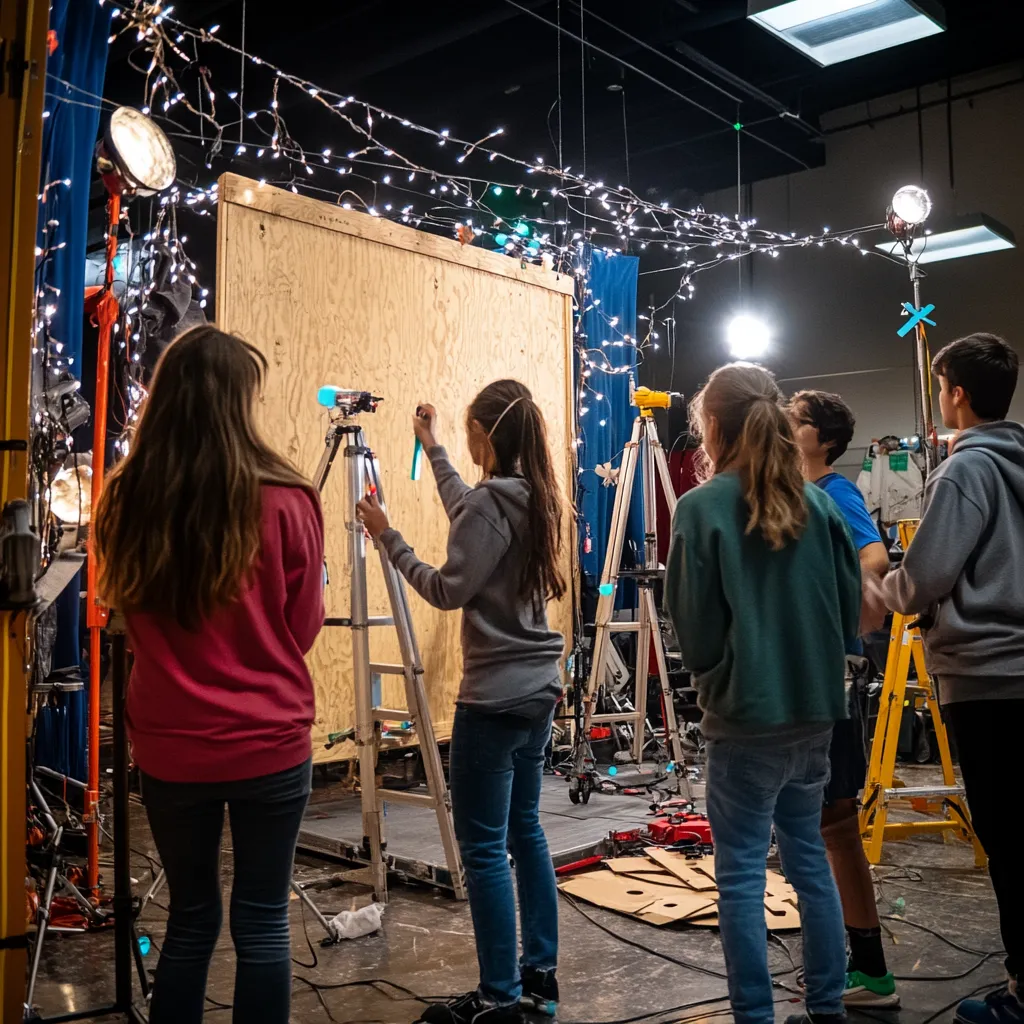
Many of my practical skills came from working in technical theater. The basic ability to work with power tools and light construction, safety on how to properly use heavier machinery like panel saws, and general job site knowledge. All of these can go a long way for basic careers, any of these could get someone a job and more if they’re willing to learn deeper fundamentals built on those skills.
These skills can also make someone self-sufficient, knowing how to use these tools means that oftentimes you can fix or make what you need, or know when to call someone else to handle it. This can save time and money. You also end up learning time management. Mostly, it comes down to “when can I get this done and how long will it take?” With limited resources you make the most of what you have, and that includes time.
With limited resources you learn how to come up with creative solutions for any given problem, like using certain props in multiple ways for different things, or using set design to hide things that are out of place, or modifying the set to add a certain panache to the entire show. And you can apply that resilience and resourcefulness to everyday life.
The Takeaway: Theater Builds More Than Performers
When people think of theater, they think about the final product. The end result of a lot of hard work. They don’t think of what you can learn and apply to life every day. Which is a shame.
A lot of basic skills can be learned through theater, skills that are very useful as an adult. There should be more respect for that aspect of theater. It's a training ground for life.
