Why Does Summer Theater Hit Different?
Summer theater just hits different.
It’s not just a change of season, it’s a shift in energy, freedom, and focus. For those of us who spend the school year juggling paperwork, deadlines, and the endless and expanding logistics of educational theater, summer offers something rare: the chance to do what we love, without the red tape we muddle through. But what is it, exactly, that makes these experiences so special? What do we gain in those sun-soaked months that we can’t replicate during the regular school year?
Compressed Time: Constraint Breeds Creativity
Whether it feels like it or not, during the school year we have the luxury, or the curse, of time. Rehearsals stretch over months, and while that allows for deep exploration, it also invites procrastination, distractions, and the inevitable drag of "we’ll fix it later." But in summer theater? Time is a finite resource, and that urgency changes everything.
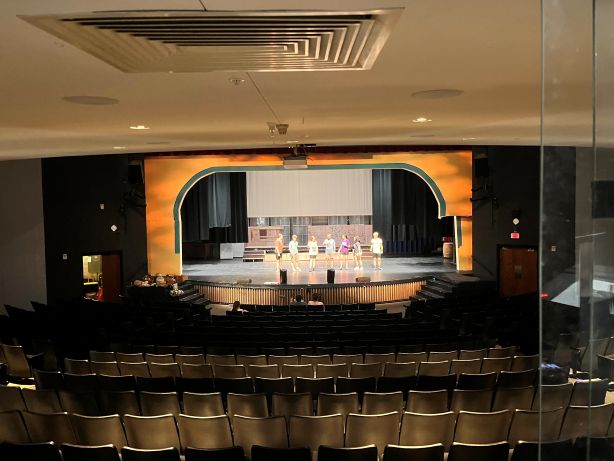
With a compressed timeline, often four weeks instead of eight, every rehearsal counts. There’s no room for wasted moments, and that pressure forces creativity to flourish. You find solutions faster, make bolder choices, and trust your instincts in ways you might not when you have weeks to overthink. The show has to come together, so it does, often in ways that surprise even the most seasoned among us.
Dedicated Personnel and Participants: No One Has to Be Here
This might be the most beautiful part of summer theater: everyone is there because they want to be.
There are no mandatory participants, no students fulfilling a class requirement, no one splitting their focus between this and a dozen other obligations. The ones who show up are passionate, present, and all-in. That shared commitment creates a different kind of energy. There’s a lightness, a sense of fun, because no one is there out of obligation. They’re there for the love of the craft.
And without the looming deadlines of the school year, no SLOs, no final exams, no competing extracurriculars, the focus is singular. The art becomes the priority, not just another item on a to-do list.
Longer Days: Life Still Exists After Rehearsal
There’s something almost magical about leaving the theater after a long rehearsal and realizing it’s still light out. In the school year, by the time we wrap up, the sun has long since set, and the parking lot feels like a ghost town. But in summer, the world is still awake. You can grab a bite, take a walk, or just sit outside and soak in the day. Which makes a world of difference in anyone’s attitude.
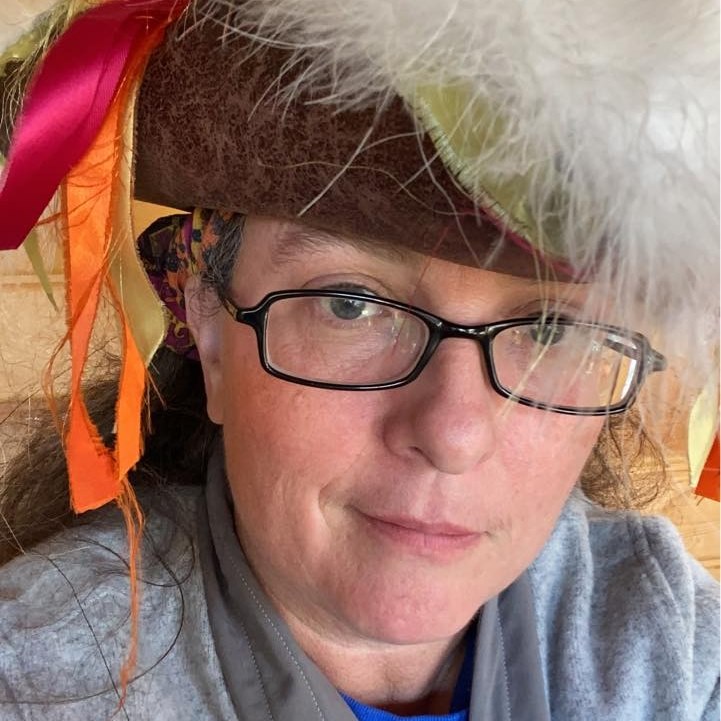
I may be the last one in the parking lot (as usual), but there’s a joy in knowing the night hasn’t even begun. It’s a small thing, but it changes the rhythm of the work. You’re not rushing home to beat the dark or collapsing from exhaustion. There’s breathing room, for the art, for the process, and for life outside of it.
What do we get out of summer theater?
In the school year, we often get bogged down in the logistics: grades, attendance, budgets, and the endless cycle of "what’s next?" Summer theater strips much of that away. Without the administrative weight, we have the bandwidth to focus on what matters most. The art itself.
This is the season for team building that isn’t rushed. For inside jokes that only the summer cast will ever understand. For trying wild, experimental ideas just to see if they work, because there’s no gradebook to answer to. Summer theater reminds us why we fell in love with this in the first place. For many of us, it IS where we fell in love with theater in the first place. It's a chance to create for the sake of creating, to collaborate without constraints, and to reconnect with the joy of the process.
Our students (campers, new cast; whatever you call them) get to build skills and confidence without the pressure of grades and expectations of the school year. This is an opportunity to encourage risk taking without peers leaning over their shoulder. Without the fear of judgement larger classes also bring. Take advantage of that by encouraging students you know to step a little farther out of their comfort zone. Get a head start on figuring out those participants, young and old(er), new to your group. And let their energy be infectious.
It’s not just about putting on a show. It’s about reigniting the spark that keeps us coming back, year after year.
What are you doing this summer? Visit Backstage AIC on Facebook and tell us about it! Bonuses for pics!